India scrolls more than it speaks.
With over 800 million internet users and hundreds of millions active on platforms like Instagram, WhatsApp, YouTube, and X, the country is one of the world’s largest digital societies.
But the central question remains:
Has Social Media Made Indians More Divided or united?
This isn’t just a cultural curiosity. It’s a social, political, and psychological debate.
Using data trends, social behavior patterns, and observable digital shifts, let’s unpack whether Has Social Media Made Indians More Divided or More United is a story of connection—or conflict.
India’s Digital Explosion: The Numbers Behind the Debate
To understand whether social media has made Indians more divided or more united, we must first look at the scale.
- India has over 800M+ internet users.
- WhatsApp penetration exceeds 500M users.
- YouTube and Instagram dominate urban and semi-urban engagement.
- Rural smartphone adoption has surged dramatically in the last five years.
Digital access has democratized expression. People from Tier 2 and Tier 3 cities now participate in national conversations.
On the surface, the situation suggests unity.
But digital access doesn’t automatically equal digital harmony.
The Case for “More United”
Let’s start with the optimistic view.
There are compelling reasons to argue that Has Social Media Made Indians More Divided or More United leans toward unity.
1. National Moments Go Viral Together
From cricket victories to Chandrayaan missions, social media creates collective digital celebrations.
Millions post, share, and react simultaneously.
Shared pride strengthens identity.
These moments blur regional, linguistic, and class differences.
2. Social Causes Gain Momentum
Movements around:
- Women’s rights
- Mental health awareness
- Climate change
- Discussions about mandatory voting
Have gained traction online.
Campaigns spread faster than traditional media ever allowed.
Digital mobilization creates collective awareness.
In that sense, Has Social Media Made Indians More Divided or More United could be answered with: more connected around shared causes.”
3. Breaking Traditional Barriers
Earlier, conversations about topics like:
- Arranged marriage expectations
- Financial independence at 40
- The possibility of a four-day work week in India
- Healthy approaches to handling failure
Were limited to small circles.
Now, social media enables:
- Cross-regional debate
- Youth-driven narratives
- Counter-cultural ideas
That expands social dialogue.
The Case for “More Divided”
Now let’s examine the other side of Has Social Media Made Indians More Divided or More United.
1. Echo Chambers and Algorithm Bias
Social platforms use algorithms that prioritize engagement.
Engagement often means:
- Emotional reactions
- Anger
- Controversy
This creates echo chambers.
Users see content that reinforces their beliefs.
Opposing views feel threatening instead of informative.
The result?
Polarization.
2. Political Amplification
India’s political conversations online are intense.
Social media amplifies:
- Ideological divides
- Regional differences
- Religious tensions
Unlike face-to-face conversations, digital debates escalate quickly.
Data shows that misinformation spreads faster than verified information, especially during elections.
This complicates the question: Has Social Media Made Indians More Divided or More United?
3. Urban vs Rural Digital Divide
While access has expanded, digital literacy varies.
Not everyone interprets content critically.
Forwarded messages on WhatsApp often shape opinion more than verified sources.
This leads to:
- Rapid rumor spread
- Fear-based narratives
- Distrust across communities
Division grows when information isn’t filtered responsibly.
Generational Divide: A Silent Layer
Another dimension of Has Social Media Made Indians More Divided or More United lies in generational gaps.
Younger Indians use social media for:
- Career exploration
- Personal branding
- Global networking
Older generations may use it primarily for news and messaging.
This leads to:
- Value clashes
- Lifestyle debates
- Conflicting political opinions
Social media doesn’t create the divide—but it exposes it more visibly.
Economic Conversations: Unity or Tension?
Online platforms have intensified discussions around:
- Startup culture
- Side hustles
- Remote work
- The aspiration for financial independence at 40
These conversations inspire some.
They intimidate others.
Similarly, debates around implementing a four-day workweek in India spark hope in urban circles but skepticism in traditional sectors.
Social media magnifies both aspiration and anxiety.
Cultural Shifts in Relationships
Online debates openly address topics such as arranged marriage, dating culture, and gender roles.
Young Indians increasingly question traditional norms.
Some see this as liberation.
Others see it as an erosion of values.
The digital space amplifies both progressive and conservative voices.
So, Has Social Media Made Indians More Divided or united?
It may have made differences louder.
Mental Health and Identity
One overlooked aspect of Has Social Media Made Indians More Divided or More United is psychological impact.
Studies indicate:
- Increased comparison culture
- Rising anxiety among youth
- Validation-seeking behavior
At the same time, online communities provide support networks.
Discussions about handling failures are more visible than ever.
Earlier, failure was private and stigmatized.
Now, entrepreneurs openly discuss setbacks.
That creates shared vulnerability—a form of unity.
Digital Activism: Real or Performative?
Social media enables instant solidarity.
Hashtags trend.
Display pictures change.
Posts flood timelines.
But critics argue that online activism often stops at visibility.
This creates tension between awareness and action.
Still, without digital platforms, many causes would remain invisible.
This nuance shapes the complexity of the question: Has Social Media Made Indians More Divided or More United?
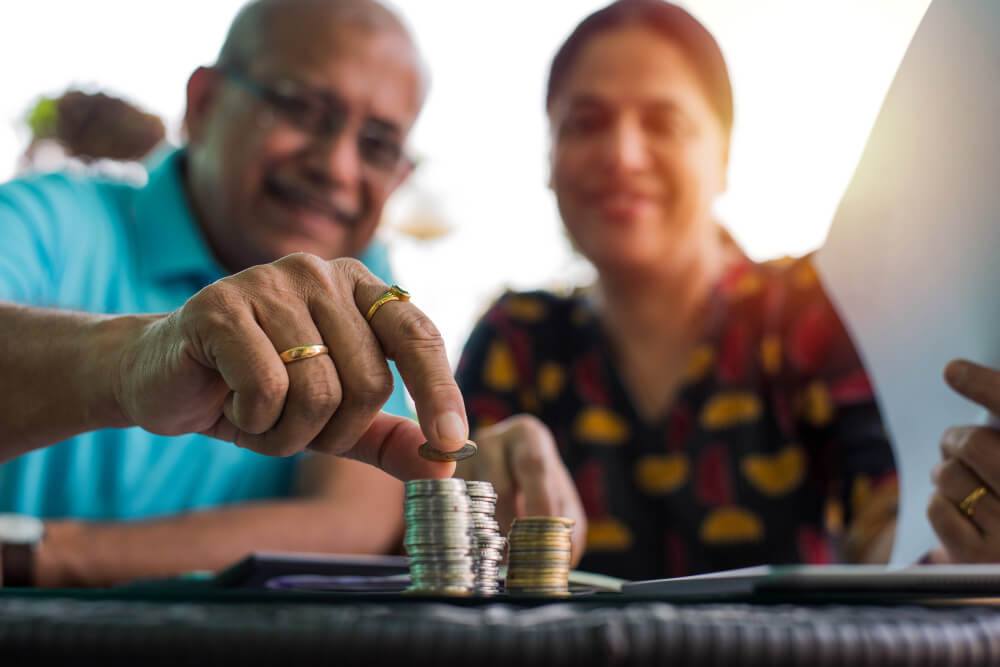
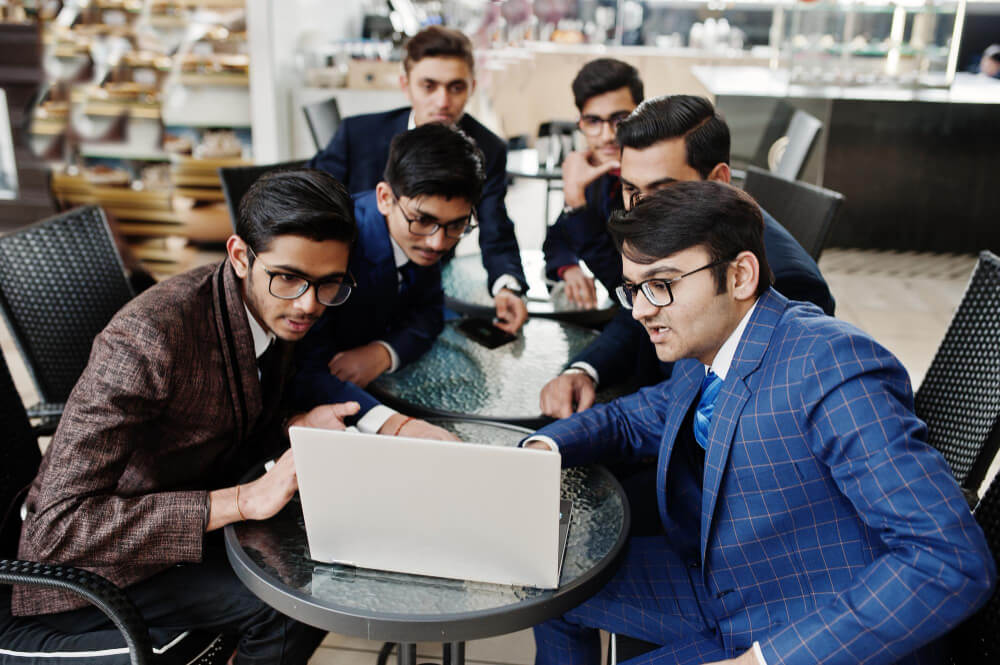
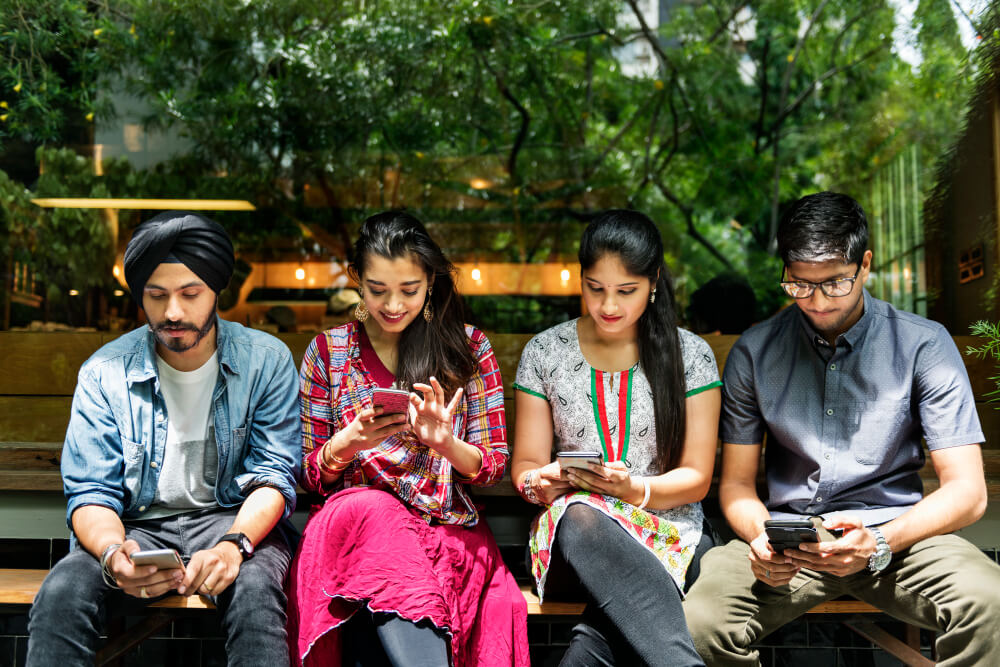
Visual Snapshot of Digital India
These images reflect dual realities:
- Connection across regions
- Constant digital immersion
- Blurred offline-online boundaries
The same platforms that unite families also fuel ideological battles.
Data Trends Suggest a Mixed Outcome
Looking at research and behavioral data:
- Social media increases awareness of diverse perspectives.
- It also intensifies emotional reactions.
- It expands participation.
- It amplifies polarization.
The binary framing of “Has Social Media Made Indians More Divided or More United?” may itself be flawed.
It has done both.
Why the Impact Feels Stronger in India
India’s diversity magnifies digital impact.
We are divided across:
- Language
- Religion
- Caste
- Region
- Political ideology
Social media doesn’t create these differences.
It accelerates their visibility.
In a homogeneous society, the impact might feel smaller.
In India, diversity plus digital scale equals intensity.
So, Has Social Media Made Indians More Divided or More United?
Here’s the balanced conclusion:
Social media has made Indians more connected—but not necessarily more cohesive.
It has:
- United people around shared pride and crises
- Divided people around politics and ideology
- Amplified both empathy and anger
The platforms are neutral.
Human behavior defines the outcome.
The Real Question Going Forward
Instead of asking only Has Social Media Made Indians More Divided or More United, perhaps we should ask:
How can Indians use social media more responsibly?
- Encourage digital literacy
- Promote critical thinking
- Diversify content consumption
- Engage respectfully in disagreement
Technology evolves faster than culture.
The responsibility lies with users.
Final Thoughts
Social media is neither villain nor hero.
It is a mirror.
It reflects India’s strengths, tensions, aspirations, and insecurities.
If we find ourselves divided online, it’s possible that these divisions also existed offline.
If we are united in celebration, that unity was always there too.
The debate around Has Social Media Made Indians More Divided or More United reveals less about technology and more about us.
And perhaps that realization is the most unifying thought of all.
FAQs
- Has social media made Indians more divided or more united?
It has increased both connection and polarization depending on the context. - Does social media amplify political division in India?
Yes, algorithm-driven content often intensifies ideological debates. - Can social media promote national unity?
Shared events and celebrations often create digital solidarity. - How does social media influence arranged marriage discussions?
It enables open debate on traditional norms and modern expectations. - Has social media changed attitudes toward financial independence at 40?
Yes, aspirational career content influences economic goals. - Is the four-day workweek in India debated online?
Yes, social media platforms host active discussions about work reform. - Does social media help in handling failure?
It creates visibility around personal struggles, reducing stigma. - Does social media impact discussions about mandatory voting?
Yes, civic engagement topics gain traction through digital campaigns. - Are echo chambers a problem in India?
Yes, algorithm-driven feeds often reinforce existing beliefs. - Is social media ultimately good or bad for India?
Its impact depends on how responsibly users engage with it.